

TOUR OVERVIEW
Follow a ten-day private cultural route through Casablanca, Rabat, Meknes, Fez, Marrakech and Essaouira, returning to Marrakech on the final day. The programme focuses on Moroccan Jewish heritage alongside the medinas and historic character of the cities on the route. Sefrou and Volubilis appear in the listed plan, but their visits depend on the confirmed schedule and local access.
This journey is best planned around the visits that can actually be arranged for your dates. Synagogues, cemeteries and community sites may have limited opening hours or require permission. The exact site list, guiding arrangements, accommodation and included visits should be confirmed in writing before departure.
HIGHLIGHTS
• Follow the listed Casablanca–Rabat–Meknes–Fez–Marrakech–Essaouira route, with a return to Marrakech.
• Explore Jewish heritage locations in Casablanca and Rabat as access permits.
• Spend time in the Fez medina and historic Mellah, with the Ibn Danan synagogue visit subject to opening arrangements.
• Discover the Marrakech Mellah and the Lazama synagogue or cemetery only when access is confirmed.
• Include Sefrou and Volubilis only as specified in the final programme.
• Balance heritage visits with the historic medinas of Marrakech and Essaouira.
ITINERARY
Day 1: Casablanca — Jewish Heritage and the City
Begin in Casablanca, Morocco’s largest city, where the programme introduces the city’s Jewish heritage alongside its broader urban history. The published plan refers to heritage sites rather than naming every stop, so ask which synagogue, museum, cemetery or other location is planned for your travel date.
The pace and order of visits should allow for the city’s traffic and each site’s opening arrangements. Visits to religious or community spaces depend on permission and local guidance; the confirmed itinerary should identify what is included and what remains subject to access.
Day 2: Rabat — The Historic Mellah and Capital Landmarks
Continue to Rabat for selected city landmarks and its historic Mellah. This day brings together the capital’s civic history and the Jewish quarter named in the existing route, while leaving time for the visits that are open and confirmed during your stay.
The current itinerary does not list each Rabat site or the exact transfer and overnight plan. Confirm the visit sequence, guide coverage and any required permissions in advance, especially if a particular synagogue or cemetery is central to your trip.
Day 3: Meknes and Volubilis — Imperial History on the Route
Travel from Rabat toward Meknes, where the programme includes time in the medina and Jewish heritage locations if they are open and part of the confirmed plan. Meknes is one of Morocco’s historic imperial cities, so its urban fabric adds a wider historical context to the heritage focus of the journey.
A visit to nearby Volubilis is conditional in the published itinerary. The archaeological site preserves the remains of a Roman-era city in the foothills near Meknes; include it only if the operator confirms the stop, available time and entry arrangements for your date.
Day 4: Fez — Medina and Jewish Heritage
Explore the Fez medina and Mellah with a local guide, as listed. UNESCO describes the medina as a medieval urban centre whose development spans from the ninth to the early twentieth century. Its dense streets, historic buildings and working craft quarters make this a full day on foot.
The Ibn Danan synagogue or other Jewish heritage sites may be visited only when opening hours and prior arrangements allow. Ask which locations are included, whether admission is covered, and how much walking the planned route involves; the medina has uneven surfaces and steps.
Day 5: Fez and Sefrou — A Second Day of Regional Heritage
Use the second Fez-area day to continue the heritage visits that could not fit into the previous day and, if arranged, travel to Sefrou. The existing itinerary presents Sefrou as an arranged visit rather than a guaranteed stop, so have the operator confirm whether it is included and which locations are planned there.
This day is an opportunity to avoid rushing the Fez visits and to understand the wider regional context. The published route does not specify a full list of Sefrou sites or a fixed timetable; confirm transport, guide arrangements, opening times and the return plan before departure.
Day 6: Fez to Marrakech — Overland Transfer
Travel south from Fez toward Marrakech. The current programme describes this as a long overland day, with rest stops and any optional visits only as confirmed. Treat the transfer as a major part of the itinerary rather than a day with guaranteed sightseeing stops.
Ask for the planned departure and arrival window, expected breaks and whether any additional stop is actually included. Road conditions and traffic can affect timing; do not rely on an unconfirmed visit being available on this transfer day.
Day 7: Marrakech — Mellah and Synagogue Access
Begin the Marrakech portion with the medina and the Jewish heritage locations named in the route: the Mellah, Lazama synagogue and cemetery. The exact visit order depends on opening arrangements and permission, particularly at active religious sites or locations that are not routinely open to visitors.
Allow time for walking through the medina and follow guidance from the local host or guide. Confirm which sites are scheduled, the appropriate visitor conduct and any restrictions on photography before the day begins.
Day 8: Marrakech — Selected Museums, Gardens and Heritage Visits
A second day in Marrakech allows time for the selected museums or gardens listed in the existing itinerary and for any heritage site that could not be visited the day before. The page does not name those museums or gardens, so the final schedule should identify them rather than assume a particular attraction is included.
Use this day to explore at a measured pace and to clarify the city’s Jewish heritage within its wider medina setting. Museum, garden, synagogue and cemetery access can vary; ask the operator to reconfirm the opening status and any required tickets or permissions.
Day 9: Essaouira — Atlantic Medina and Coastal Heritage
Travel to Essaouira for its historic medina and coastal heritage. The walled old town and Atlantic setting create a distinct contrast with the inland imperial cities on the route. The Moroccan National Tourist Office also highlights the city’s medina and Mellah as part of its historic character.
The published programme mentions possible Jewish heritage stops, including a synagogue or the Mellah, but these depend on local opening arrangements. Confirm whether the visit is scheduled and whether the day includes time for the medina, port area or any other named location.

Day 10: Essaouira to Marrakech — Return and Departure Planning
Return to Marrakech for onward travel. The existing itinerary describes this as a drive of several hours and notes that road conditions can affect arrival. Confirm the transfer timing before booking a flight, train or other onward connection; do not plan a tight same-day connection without the operator’s advice.
This final day is a transfer rather than an additional full sightseeing day. Ask whether the service ends at your accommodation, the airport or another agreed point, and confirm the pickup time and any luggage arrangements in advance.
PRACTICAL INFORMATION
Duration and route: Ten days, beginning in Casablanca and ending with the return from Essaouira to Marrakech. The listed route also includes Rabat, Meknes, Fez and Marrakech; Sefrou and Volubilis are subject to the confirmed programme.
Site access: Synagogue, cemetery and community-site visits depend on opening hours, permission and local arrangements. Confirm the named sites and what is included before travel. Follow local guidance, dress respectfully and ask before taking photographs.
Pacing: Several days involve historic medinas and walking on uneven streets. The Fez-to-Marrakech transfer and the final Essaouira-to-Marrakech return are substantial road journeys. Ask for the operator’s current timing and discuss mobility needs before booking.
Details to confirm: The existing page does not specify the exact accommodation properties or night-by-night plan, every named site in Casablanca, Rabat, Meknes or Sefrou, or the full guide and entry-fee coverage. Request these details, the language of guiding, meals and transportation inclusions in writing.
FREQUENTLY ASKED QUESTIONS
Which cities are included in the ten-day route?
The listed route covers Casablanca, Rabat, Meknes, Fez, Marrakech and Essaouira, with the final return to Marrakech. Sefrou and Volubilis are conditional visits that must appear in the confirmed itinerary.
Are synagogue and cemetery visits guaranteed?
No. Access varies by site and date, and some visits need prior permission. Ask the operator to confirm each named location and its opening arrangements before you book.
Is Volubilis part of every departure?
The current itinerary makes Volubilis conditional on the confirmed plan and site hours. Treat it as an optional or schedule-dependent visit unless it is explicitly confirmed for your departure.
Does the tour include Sefrou?
Sefrou is described as a visit if arranged. Confirm whether the excursion is included, the sites planned there and the transport schedule.
Where do travelers stay each night?
The published itinerary does not provide a night-by-night accommodation list. Request the accommodation plan and room details before confirming your booking.
How much walking is involved?
The Fez and Marrakech medina visits involve walking, and historic streets can be uneven or stepped. Share any mobility requirements in advance so the operator can confirm what adjustments are possible.
What should I confirm before booking?
Ask for the exact day-by-day site list, access permissions, guide coverage and language, accommodation, transport, meals, entry fees and the return-transfer timing. These details determine which heritage visits can be delivered on your dates.
BOOKING YOUR TOUR
When requesting dates, share your group size, preferred heritage sites, guiding-language needs and any mobility considerations. Ask for the written itinerary and accommodation plan, and have the operator identify which synagogue, cemetery, museum, Sefrou or Volubilis visits are confirmed versus access-dependent. The existing booking and inquiry controls on this page remain unchanged.

12-Day Morocco Pottery & Zellij Tour from Casablanca to Marrakech
Follow Morocco’s artisan trail from Casablanca to Marrakech: Fes zellij and po...
Discover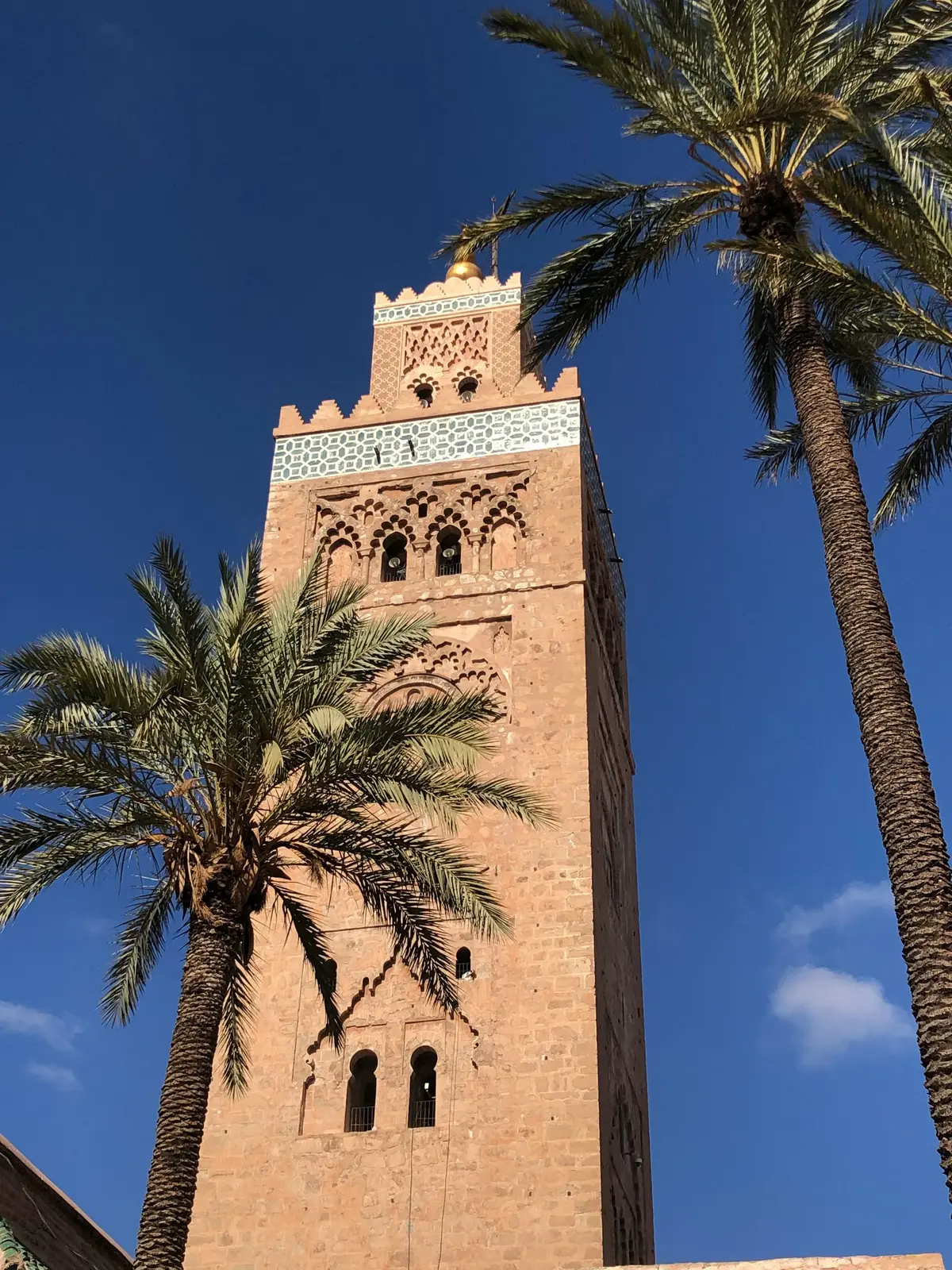
Marrakech Excursion
A private full-day Marrakech tour covering the Koutoubia, Bahia Palace, Saadian ...
Discover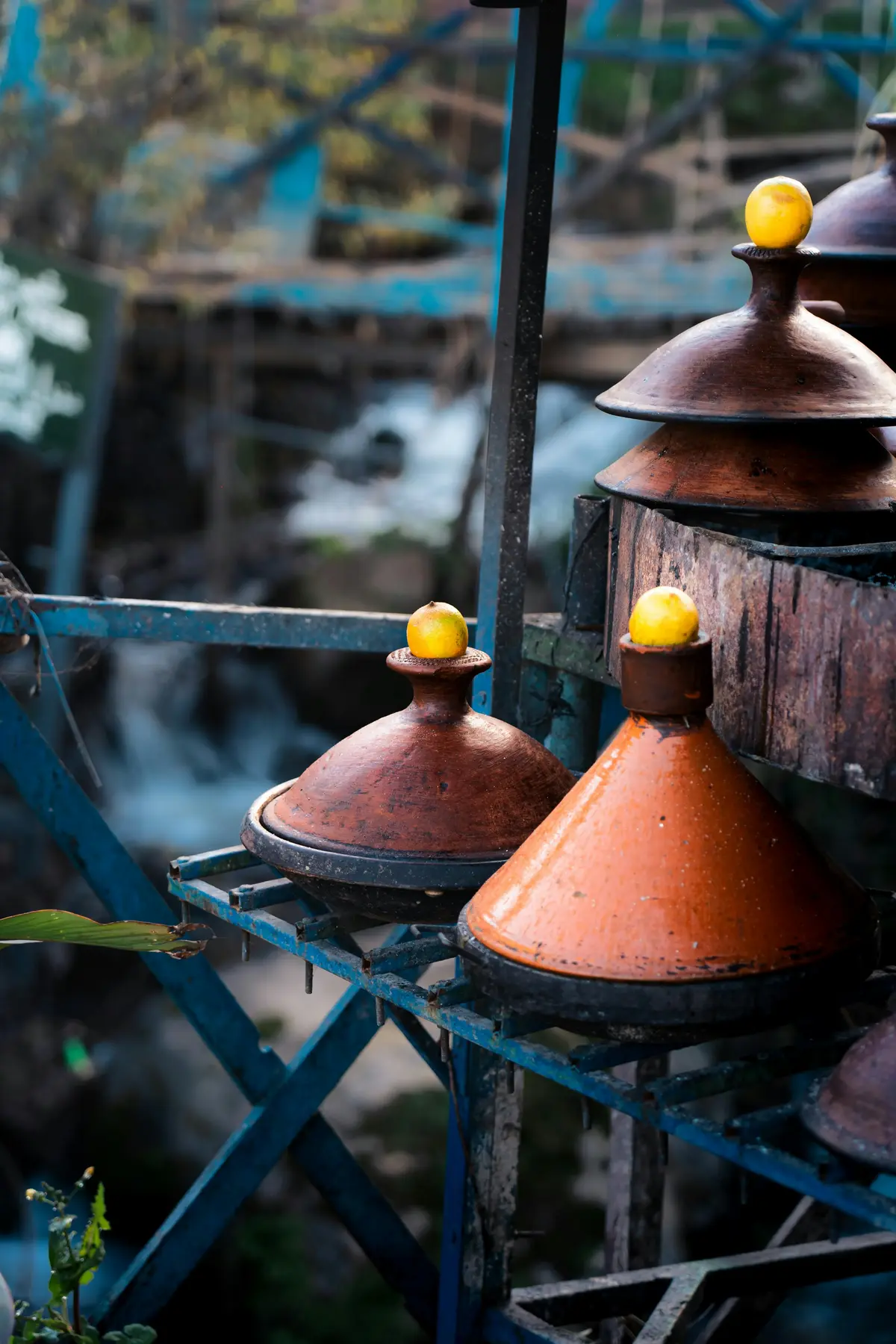
Cooking Class in Marrakech
Four hours with a Dada chef in a medina riad — spice market, tagine, pastilla ...
Discover