
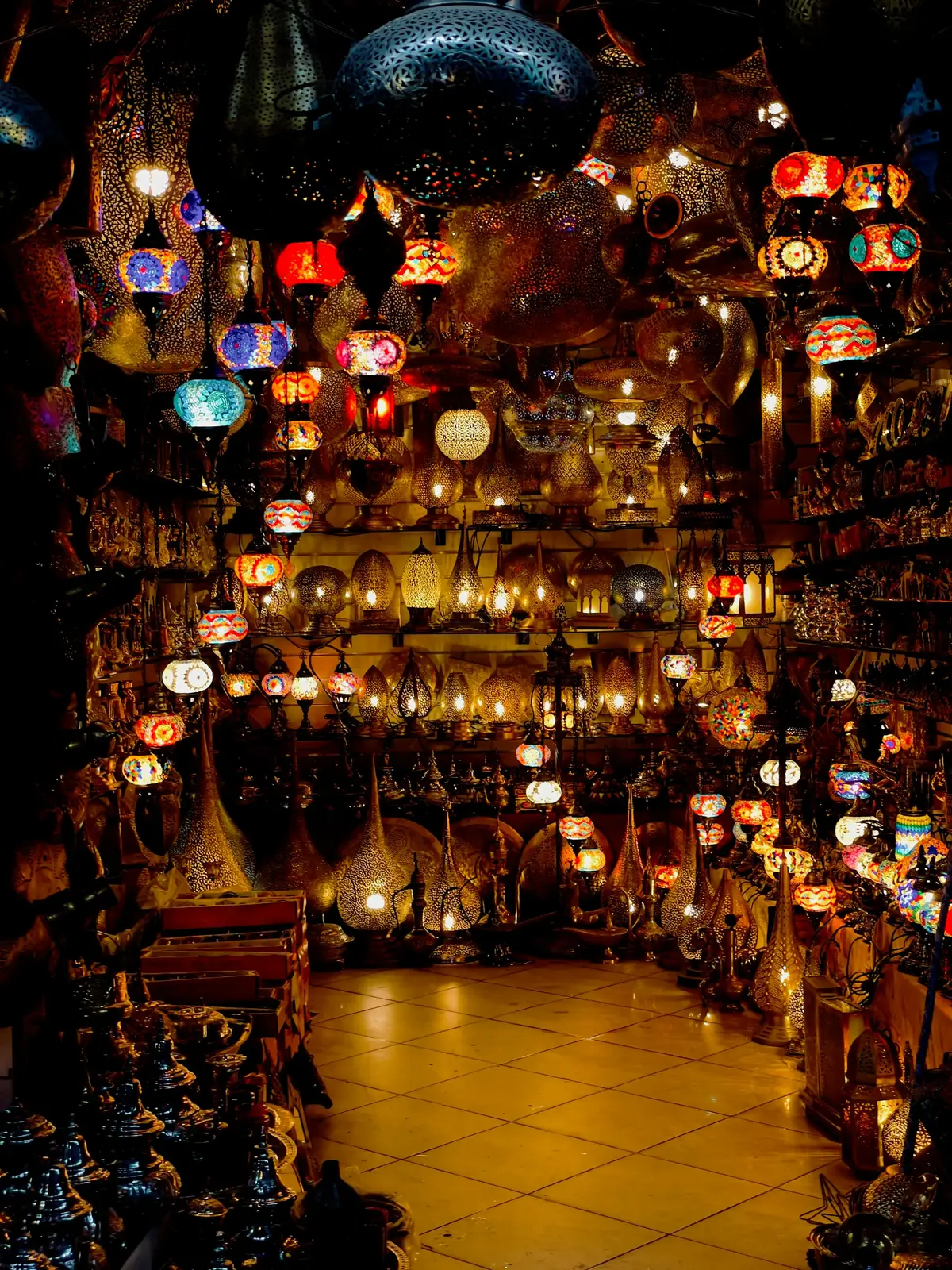
ABOUT THIS 10-DAY MOROCCO SOUK TOUR
This ten-day route begins in Casablanca and finishes in Marrakech. It links the Atlantic city’s Hassan II Mosque with the craft quarters of Fes, a southbound journey to Erfoud and the Erg Chebbi dunes, a village visit at Aït Ouzzine, and several days exploring Marrakech’s traditional souks and contemporary design districts. The itinerary combines historic streets, artisan production and changing landscapes rather than focusing on shopping alone.
The published program includes visits to weaving and pottery cooperatives, the Ain Nkobi pottery cooperative, Fes and Marrakech medinas, the Sidi Ghanem design district, and the listed desert experiences. Cooperative and studio visits are not described as guaranteed hands-on classes, so ask whether participation is available before booking. The route also includes long overland transfers; exact daily drive times and some overnight details are not provided in the current listing.
HIGHLIGHTS
• See the Hassan II Mosque in Casablanca before travelling inland to Fes.
• Explore Fes el Bali, including its medersas, tanneries and craft cooperatives.
• Visit the Ain Nkobi pottery cooperative and Fes Ville Nouvelle design studios.
• Follow the listed Sahara segment through Erfoud and Khamlia to Erg Chebbi, including a camel trek on the dunes.
• Meet the Aït Ouzzine village experience described in the itinerary, with clay-oven bread and tagine.
• Discover Marrakech’s Souk Smarine, Majorelle Gardens, Guéliz and Sidi Ghanem.
DAY-BY-DAY ITINERARY
Day 1: Casablanca to Fes — Hassan II Mosque and Ville Nouvelle dinner
The journey opens in Casablanca with the Hassan II Mosque, set beside the Atlantic and known for its monumental scale and intricate Moroccan decorative work. The current itinerary then continues by road to Fes. It does not list intermediate sightseeing stops, so the time available for the mosque visit and the drive should be confirmed against your arrival time.
In Fes, the day ends with dinner in Ville Nouvelle, the city’s newer district, where broad avenues and 20th-century architecture provide a different setting from the medina. The tour listing does not specify the hotel for this night or whether dinner is part of the included 12 meals; confirm both when arranging the trip.
Day 2: Fes el Bali — medina, medersas, tanneries and craft cooperatives
Fes el Bali is the historic walled medina, a dense network of lanes, small squares and workshops. The itinerary names Bou Inania Medersa and al-Qarawiyyin, then continues to the tanneries and weaving and pottery cooperatives. These stops give context to the city’s craft traditions: leather is processed and dyed, while ceramic and textile work are made in specialist workshops.
Allow time for walking on uneven, sometimes crowded streets. Access to individual monuments can depend on current opening arrangements, and the itinerary does not state which interiors or workshop demonstrations are included. Your expert shopping guide is listed as part of the package; ask how much guided time is planned and whether purchases are entirely optional.
Day 3: Fes — Ain Nkobi pottery cooperative and contemporary design
The day moves from Fes’s historic artisan quarter to the Ain Nkobi pottery cooperative named in the tour plan. Pottery production connects practical objects with the city’s distinctive ceramic decoration; a cooperative visit can help visitors see how specialist work is organised beyond the shopfronts of the medina. The listing does not promise a pottery class, so confirm whether any hands-on activity is available.
The schedule also includes Ville Nouvelle and contemporary design studios. This contrast helps show how Fes’s craft heritage is carried into newer retail and workshop settings. Specific studio names, appointment arrangements and the amount of free shopping time are not given; the guide can clarify these details before the day begins.
Day 4: Fes to Merzouga — Erfoud, Khamlia and Erg Chebbi
This is a substantial southbound transfer day. The published itinerary groups travel from Fes to Merzouga with a visit to Erfoud’s fossil-related shops or workshops, Gnaoua music in Khamlia, and a camel trek on the Erg Chebbi dunes. It does not specify intermediate stops, the order of these visits, or the timing of the camel trek, so confirm the day’s sequence and expected arrival time.
Erg Chebbi is a dune field near Merzouga, where the open desert landscape is markedly different from the northern cities. The tour features a Sahara bivouac, but the record does not map each night to a named accommodation. Ask which camp is used, what facilities it provides, and whether the camel trek is the planned transfer to camp or a separate outing.
Day 5: Aït Ouzzine — village traditions, clay-oven bread and tagine
The itinerary sets aside time for the Aït Ouzzine village experience, with Berber cultural immersion, clay-oven bread and tagine listed for the day. This is an opportunity to encounter everyday food traditions and the village setting rather than only passing through a city or monument. The listing does not describe a formal cooking class, so ask whether guests observe, taste or take part in preparing the meal.
The overnight is stated as a luxury lodge in Skoura. Because the page does not explain the transfer from Aït Ouzzine to Skoura or the timing around the village visit, confirm the route and overnight arrangement with the team before travel. This avoids assuming an unlisted stop or a particular lodge.
Day 6: Road to Marrakech — Fint Oasis, Atlas Studios, Aït Benhaddou and Tizi n’Tichka
The listed road to Marrakech includes Fint Oasis, Atlas Studios, the UNESCO-listed ksar of Aït Benhaddou and the Tizi n’Tichka pass. Fint’s palm-lined oasis landscape contrasts with the dry terrain around Ouarzazate. Atlas Studios is part of the region’s film-production history, while Aït Benhaddou is a compact earthen settlement whose towers and lanes illustrate southern Moroccan building traditions.
The route then crosses the High Atlas via Tizi n’Tichka on the way to Marrakech. These are widely separated stops on a mountain-road transfer, so expect a full day on the road and ask which visits are guided, how long is available at each, and where the night is spent. The package record does not give driving times or a night-by-night accommodation plan.
Day 7: Marrakech — medina, Jemaa el-Fna and Souk Smarine
Marrakech’s medina is a lively historic quarter of covered souks, small squares and workshops. The itinerary names Jemaa el-Fna and Souk Smarine, with time focused on carpets, jewellery, spices and handicrafts. The souks are working commercial streets as well as visitor routes; a guide can help explain materials, regional styles and how to compare an item before buying.
Shopping is not the only reason to explore this part of the city. The changing light, food stalls and street activity around Jemaa el-Fna make the square a memorable place to observe Marrakech’s public life. The listing does not say whether purchases or meals are included, and buying is not stated as a requirement; confirm the guide’s schedule and any planned shop visits.
Day 8: Marrakech — Majorelle Gardens, Guéliz and contemporary boutiques
The day combines the Majorelle Gardens with Guéliz, Marrakech’s newer urban district. The garden’s shaded paths, water features and strong architectural colours create a calmer contrast with the medina. Entry arrangements and tickets are not specified in the package details, so check whether admission is included and whether advance booking is needed for your travel date.
In Guéliz, the itinerary turns to contemporary boutiques and modern Moroccan design. This provides a useful counterpoint to the traditional crafts seen in Fes and the old souks. The page does not name individual boutiques or guarantee purchases at a particular studio; use the guide to understand the day’s planned stops and the time available for independent exploration.
Day 9: Marrakech — Sidi Ghanem design district and Dar El Bacha
Sidi Ghanem is Marrakech’s workshop and design district, where contemporary studios and showrooms sit outside the old medina. The itinerary includes Moroccan designer ateliers, making this a day to see how local materials and craft skills appear in current homeware, fashion and decorative arts. Specific studios and appointments are not listed, so ask which visits are confirmed before setting expectations.
The schedule also names Dar El Bacha, adding a historic architectural stop to the design-focused day. Together, the two settings connect Marrakech’s heritage with its present-day creative scene. Transport between the district and the medina, opening arrangements and admission details are not stated in the listing; confirm these with the guide.
Day 10: Departure from Marrakech
The final day is reserved for departure from Marrakech. The itinerary does not state a specific airport transfer, departure time or extra visit, so share your flight details with the team and confirm what transport is included. If you have time before leaving, ask whether luggage storage or additional sightseeing can be arranged; neither is promised in the current package description.
The tour begins in Casablanca and ends in Marrakech, which makes it important to plan flights accordingly. The listing describes luxury transport, but does not explicitly confirm the airport transfer for this final departure. Verify the exact pickup and drop-off arrangements before booking.
INCLUSIONS SHOWN IN THE CURRENT LISTING
The package lists luxury transport, an expert shopping guide, upscale riads, a Sahara bivouac and 12 meals. It also identifies the tour as a ten-day experience. These are the published inclusions; the record does not give a night-by-night accommodation list, vehicle specification, guide schedule or meal-by-meal breakdown.
DETAILS TO CONFIRM BEFORE BOOKING
The current listing does not provide a full exclusions list. Confirm whether entrance tickets, flights, meals beyond the 12 listed, drinks, tips, personal purchases and shipping are included or paid separately. Also ask for the exact overnight plan, the sequence and timing of the Fes–Merzouga and Aït Ouzzine–Skoura transfers, and which cooperative or design-studio visits are confirmed. No additional itinerary stops are assumed here.
FREQUENTLY ASKED QUESTIONS
Where does the tour start and finish?
It starts in Casablanca and the final departure day is in Marrakech. Confirm the pickup and airport-transfer details for your travel dates.
Does the tour include hands-on craft workshops?
The itinerary lists pottery and weaving cooperatives and design studios, but does not explicitly promise a hands-on class. Ask which visits are demonstrations and whether participation can be arranged.
How much shopping is included?
The program visits Fes and Marrakech souks, cooperatives and the Sidi Ghanem district. It does not specify a required purchase or a fixed shopping allowance; discuss your interests with the guide.
Which accommodations and meals are included?
The package lists upscale riads, a Sahara bivouac and 12 meals, and names a luxury lodge in Skoura for Day 5. It does not show the full night-by-night plan or meal schedule, so request those details before booking.
Are entrance fees and flights included?
The current package does not say. Confirm tickets, international flights and any other costs directly with the team before paying.
Is every day a shopping day?
No. The route also includes the Hassan II Mosque, historic Fes, the Sahara experiences, Aït Ouzzine, Fint Oasis, Atlas Studios, Aït Benhaddou, the High Atlas and Marrakech gardens. Shopping and design visits are woven into this broader cultural route.
RELATED JOURNEYS
Use the Related Services section on this page to compare the 12-Day Morocco Pottery & Zellij Tour and the 11-Day Imperial Cities & Sahara tour. The first focuses more closely on ceramics and tilework; the second offers a different balance of imperial-city and desert travel.
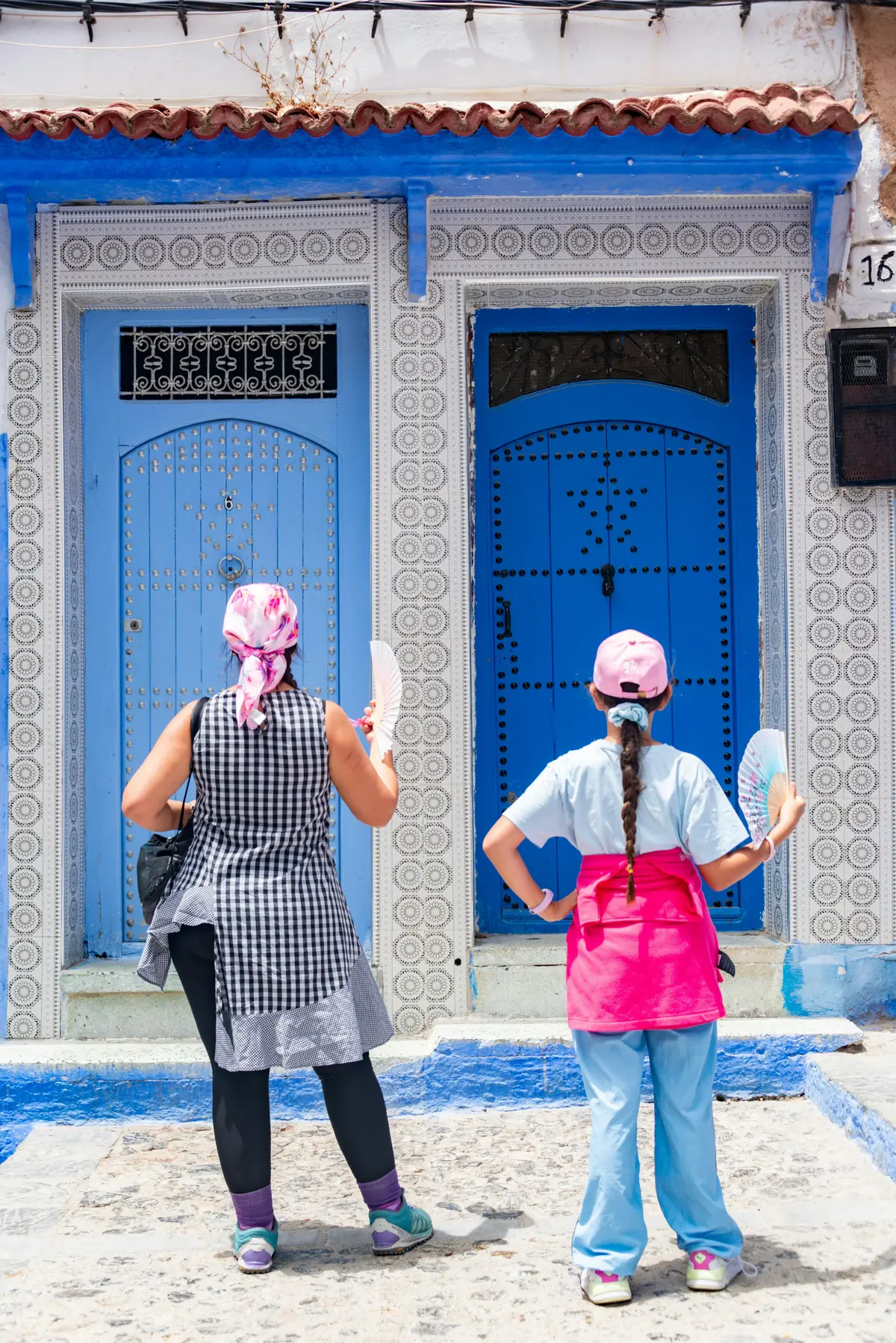
12-Day Mother-Daughter Morocco Tour from Casablanca to Marrakech
Take a 12-day mother-daughter Morocco tour from Casablanca to Marrakech via Raba...
Discover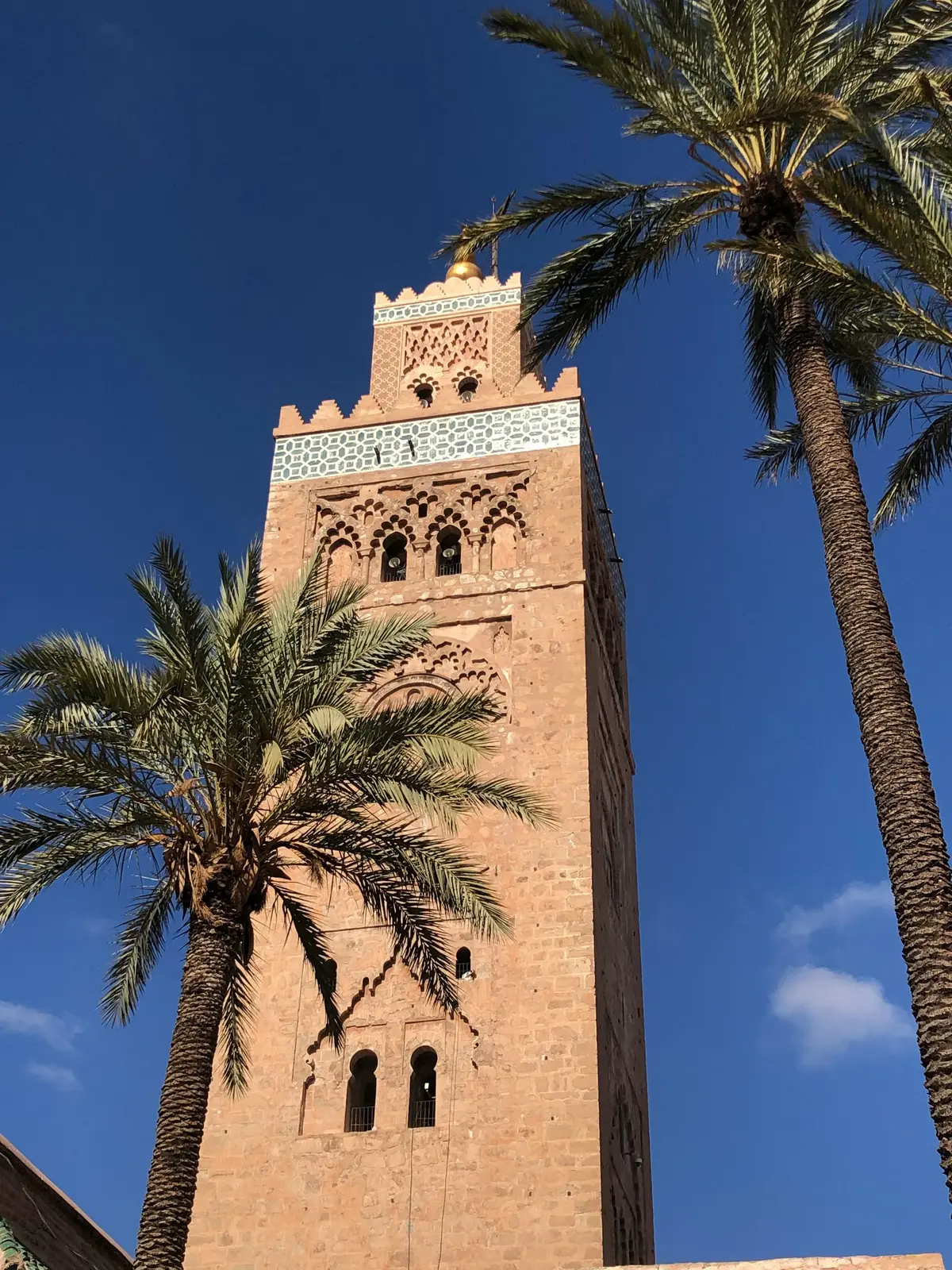
Marrakech Excursion
A private full-day Marrakech tour covering the Koutoubia, Bahia Palace, Saadian ...
Discover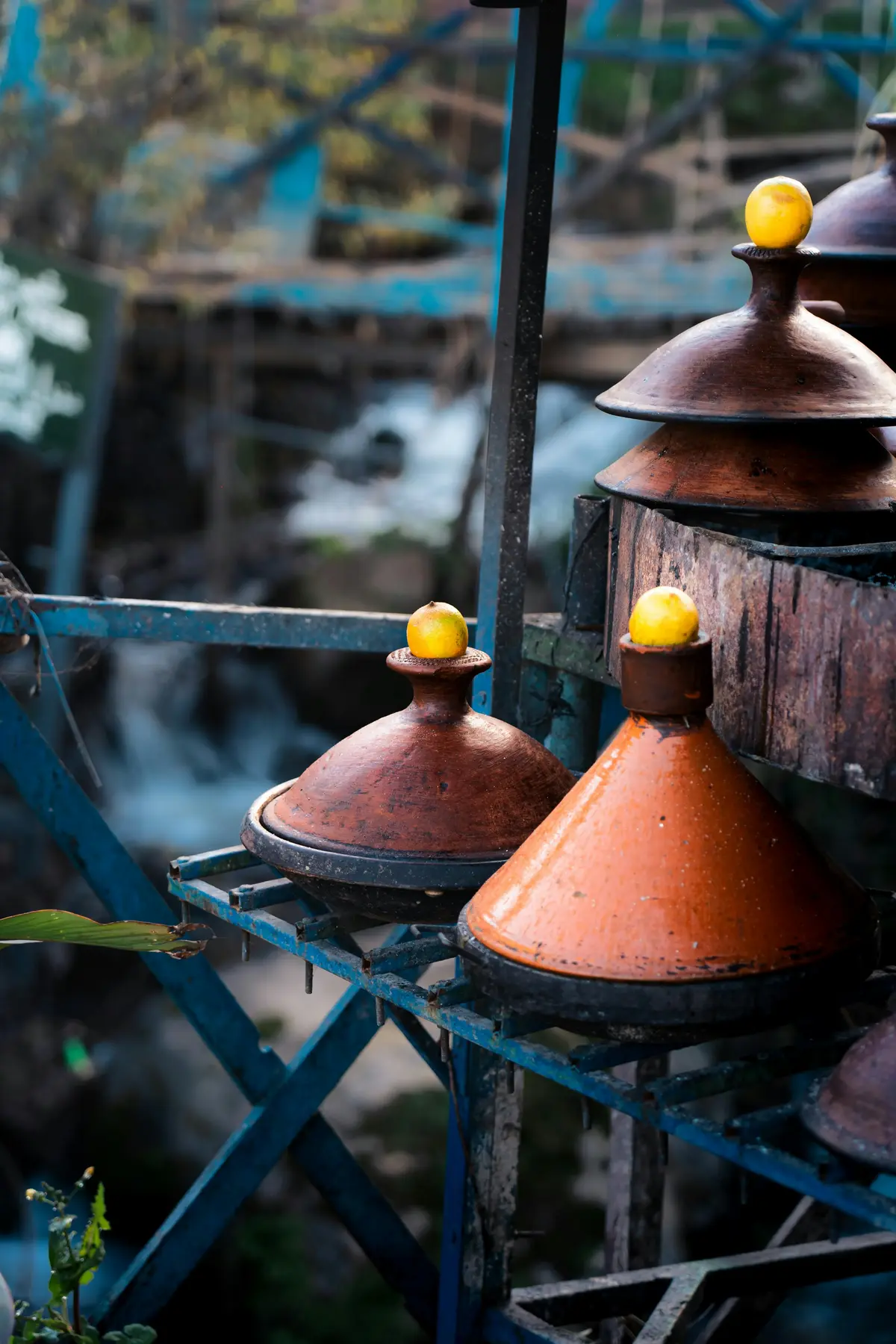
Cooking Class in Marrakech
Four hours with a Dada chef in a medina riad — spice market, tagine, pastilla ...
Discover