

Start with the dishes and their variations:
Moroccan food is shaped by regional ingredients, family traditions and season. A tagine is both the earthenware pot and a style of slow-cooked dish; recipes vary from place to place. Couscous is often served for a shared Friday meal, while harira is a nourishing soup commonly enjoyed during Ramadan and at other times of year.
Dishes worth trying:
Tagine: Look for seasonal vegetables, chicken with preserved lemon and olives, or lamb with fruit and warm spices.

Couscous: Notice the grains, vegetables and broth, and ask about the day it is served at a particular restaurant.
Pastilla: A crisp pastry with layered sweet and savoury flavours; fillings and styles vary.

Harira: A tomato-based soup with herbs and pulses; recipes differ by household and region.
Msemen and baghrir: Griddled or spongy pancakes often enjoyed at breakfast or with tea.

Mint tea: A fragrant social drink, often poured from a height; sweetness varies, so ask if you prefer less sugar.
Explore markets and meal settings:
A market visit can reveal spices, olives, bread and seasonal produce, but food stalls and opening hours vary. Choose busy, well-kept places, make sure hot food is served hot, and carry water. A cooking class or meal with a local host can add context; confirm what is included and whether the experience suits your dietary needs.
Share dietary needs clearly:
Share dietary needs clearly:

7-Day Morocco Tour from Marrakech to Merzouga: Atlas & Sahara
A 7-day Morocco tour from Marrakech to Merzouga via Tizi n’Tichka, Aït Benhaddou...
Discover
11-Day Morocco Tour from Casablanca: Imperial Cities & Sahara
A Casablanca round trip through Rabat, Meknes, Volubilis and Fez, then across th...
Discover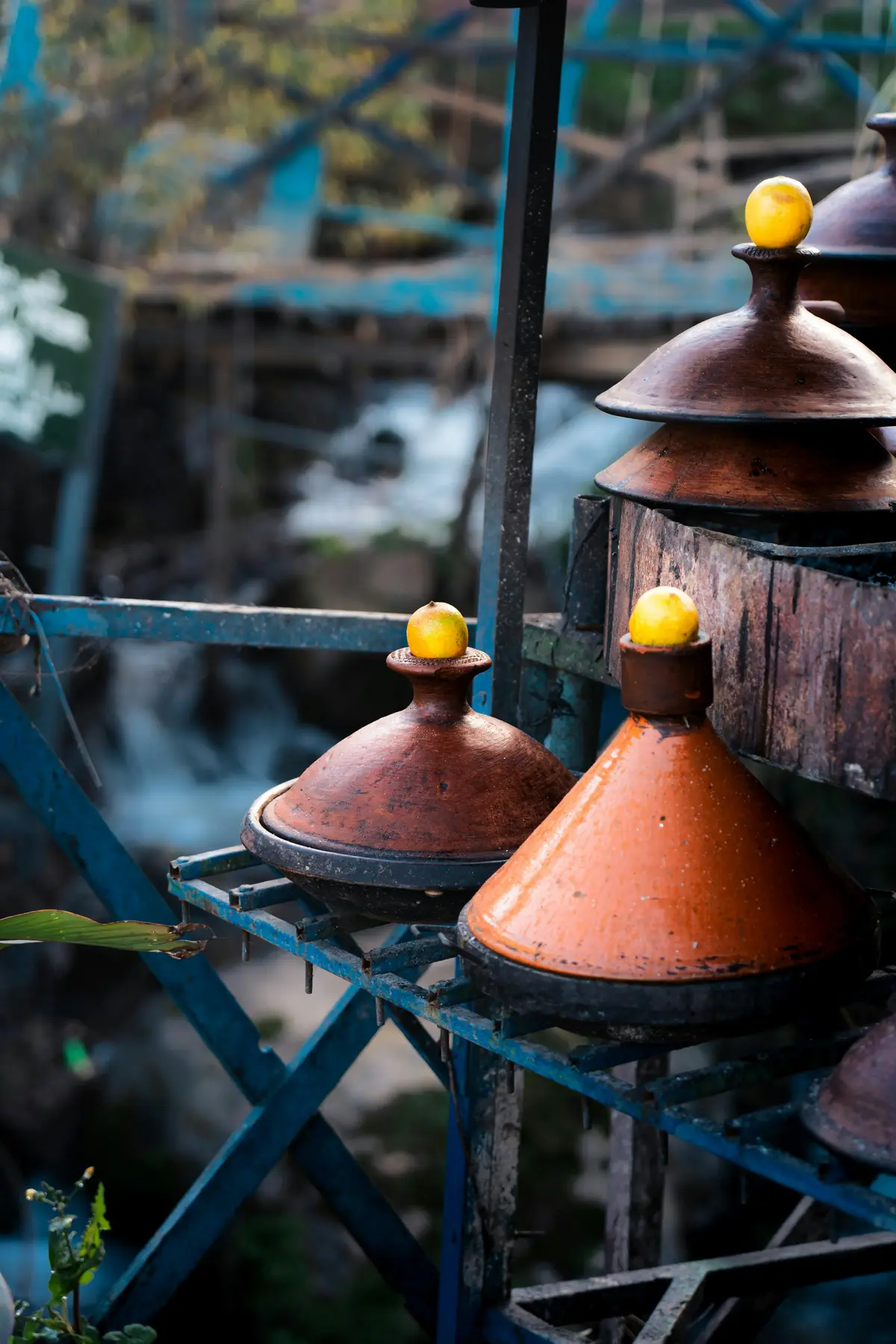
Cooking Class in Marrakech
Four hours with a Dada chef in a medina riad — spice market, tagine, pastilla an...
Discover